Location: Chicalim
Chicalim is one of the oldest settlements in Goa as evidenced by the megalithic caves heritage sites in its midst and vast tracts of khazan lands.
The Chicalim bay is a rich breeding ground for the Window Pane Oyster known locally as “mendios’ which are granted schedule IV status under the Wildlife protection Act (2006) as this is the only living site along the entire Malabar coast where these are found.
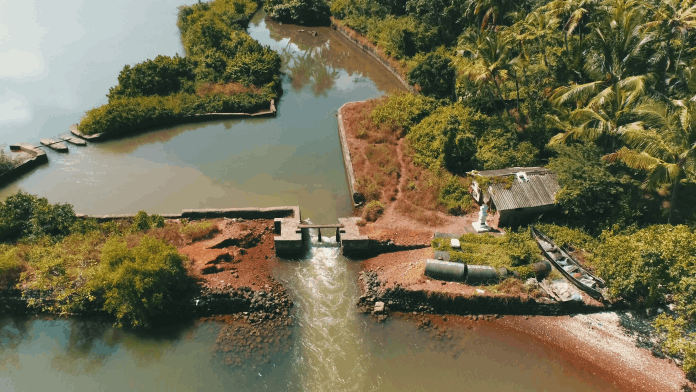
There is an intricate system of wetlands, tidal marshes, cultivated paddy fields, all intersected by small backwater that comprise the unique Chicalim khazans..
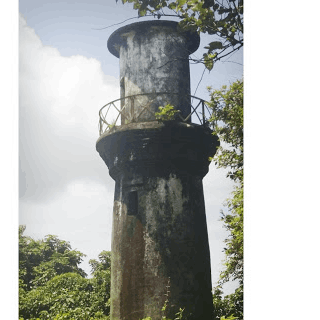
The village also has two islands, the uninhabited miniscule Vareg Island and its larger cousin Sao Jacinto Island. The Sao Jacinto Island itself has several heritage sites like the church, spring, lighthouse and an underground tunnel.
Other tourist attractions include the 17th Cent. St. Bartholomeu Church Ruins, 18th Cent. St. Francis Xavier Church, Naval Aviation Museum, Regina Mundi Statue, heritage houses, oldest natural cave, Chicalim lighthouse, etc.
Location: Ward St. Jacinto
Geographical co-ordinates: 15º 24’ 14” N and 73º 51’ 52” E
Description
The biggest treasure this picturesque pearl shaped island once possessed was the abundant availability of window pane oysters, also called Mother of Pearl Oysters, locally known as ‘Menddios’. This island is a rich breeding and spawning ground for shrimps, fishes and other marine species of the bi-valves family such as clams (tisreos), placuna placenta (mendeos), mussels, other shell fishes, crabs and oysters. St. Jacinto island and its vicinity is one of the three most famous places for extraction of tisreos, the other two being Betul in the south and Siolim in the north. These marine products have been sustainably extracted by the local tribals, traditional fishing community besides other residents of Mormugao since time immemorial. One must note that Goa’s earliest man made his gradual transition from hunter-food gatherer to fish-eater through consumption of shell-fish, crabs and oysters at places such as this.
Today due to industrial activity in the vicinity, the breeding has stopped or reduced to a substantial extent. However, other fishes and bivalves are available on which depends the sustenance of the local fishing community.
Island’s Marine Biodiversity
Fishing activity around the Chicalim bay takes you back to the traditions of goan fishing that have been carried down the centuries. From venturing out into the low waters at low tide to extract the oysters (calvam), clams (tisreo), mussels (xinnaneo) with bare hands to using small pagel, zaall and Kanttalli (all different size fishing nets), the local fishermen are adapt at catching the smallest of baby prawns, called gallmon to the larger variety of fish like waggullem and gobre with the aid of their small to medium sized nets.
From traditional futtanies and kobblems to using canoes to venture out deeper into the sea, the local traditional fishermen have excelled well in their skills.
While the men catch the fish, the women take this catch to the local markets for sale.
Goa’s famous ‘Fish Curry Rice’ would not have evolved but for these traditional fishermen. The fish curry rice dish is their staple diet. Now this dish is become world famous.
Location: Opposite the Dabolim Railway Station.
Geographical co-ordinates: 15º 23’ 09” N and 73º 51’ 02” E
Description
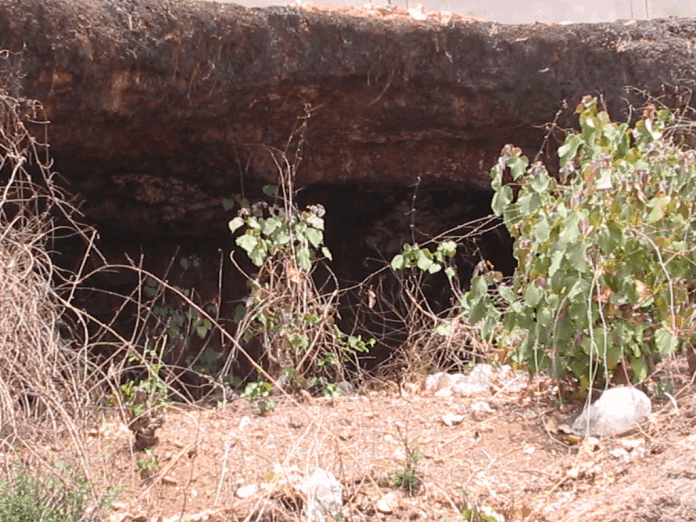
This is one of the state’s oldest rock dwellings, a natural cave near the
international airport at Dabolim. It is the oldest natural rock shelter used by Goa’s earliest
inhabitant, according to Mario Cabral de Sa, a well-known historian who has done in-depth
study of Goa’s past history and documented it.
The village of Chicalim boasts of a multi-layered history, right from its scenic bay in the
Zuari river and the megalithic era caves on its banks, to the 17th century St Francis Xavier
Church atop the hill and the pre-historic caves on the plateau. The natural cave
at Dabolim adds a touch of glory to them all.
Facing east and embedded in the boundary wall of the airport’s landing area along the
Bogmalo road, the cave’s entrance is concealed in shrubbery and can easily be overlooked
amid the cluster of new buildings in its vicinity. The location, however, appears secure as
the wall also forms the limits of the Indian Navy area.
“If the site is cleared of the shrubbery and a board placed there, even flyers may be able to
catch a glimpse of it. It is that close to the flight path. These were formed geologically and
could be older than our rock carvings. Nobody knows how old they are,” former director of
the department of archives and archaeology, P P Shirodkar, said about it.
Location: In ward Naquelim.
Geographical co-ordinates: 15º 23’ 51” N and 73º 50’ 58” E
The first known evidence of such pre-historic settlements was discovered in Goa way back
in the 70’s in the village of Chicalim. During a cutting of hill for laterite bricks, at a foot of a
hill in the ward Naquelim, a cave was accidentally discovered. German Indologist and art
historian Gritli Mitterwalner along with members of Goa Archeology Department visited the
site and discovered two more such underground caves and pot sheds in these caves.
Scientific study of these pot shreds put the age of these pottery to the megalithic period. The
pieces today find a place of pride in the Goa State Museum where they are prominently
displayed.
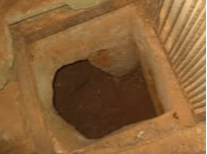
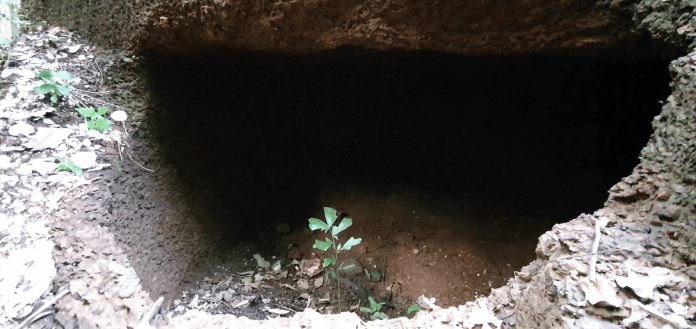
The Pit-dwelling are three in numbers and are located close to each other. “It is like a small
chamber that may have been used for dwelling by early humans,” says heritage activist,
Prajal Sakhardande.
The Late Stone Age tools found in abundance along the rivers of Goa create an impression
that the cave man and the later emerging Neolithic successor may have undergone the
transformation from settler to a fisherman in this area to over looking the Sao Jacinto island.
It is also claimed that here used to be many menhirs spread in this area which indicate this to
be a transit camp or initial settlement of the first dwellers of Goa.
These pot shreds were found in the pits at Naquelim and are presently on
display at the Goa State Museum. They were dated back to Megalithic era.